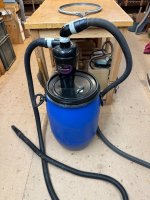
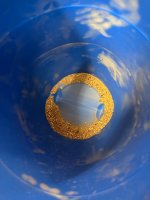
Woodbloke
Sequoia
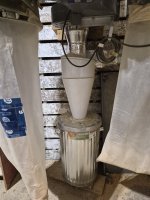
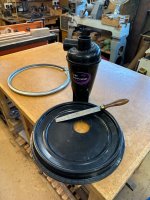
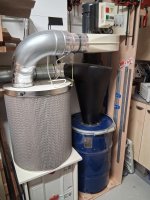
Whilst furkerling around at the back of the garden tool shed the other day I came across a 'Dust Commander' cyclone which I 'acquired' when I worked for Ax a few years ago. At the time I rigged up a decent system that worked well, but the collection drum was never satisfactory and it was far too small so it was taken apart and the cyclone was deposited at the back of the tool shed to be forgotten....or so I thought.
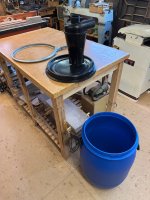
This morning I ordered from the 'Bay of Fleas' a much more substantial 60 litre blue drum which most folk seem to use for cyclone installations and so over the last few days I've been getting a few bit's and pieces together:
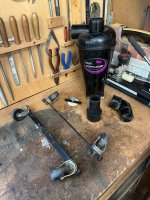
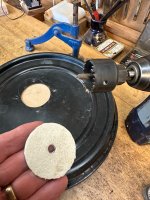
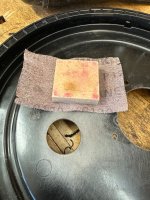
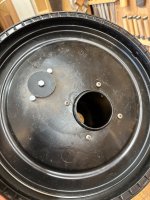
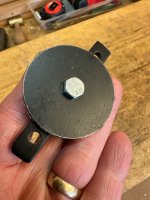
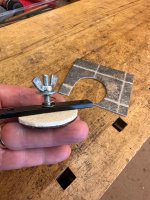
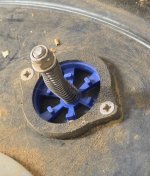
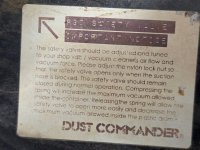
...which include a set of castors from the original Numatic dust extractor, a couple of fittings and a Pressure Relief Valve wot I made. The Numatic is still in use in the 'shop but I've tucked it out the way:
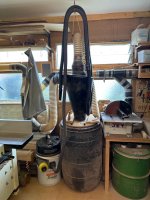
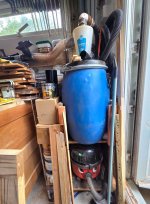
...so it won't interfere with the P/T. I also found an additional hose to use, so there are two looped over the 'sky hook' and again well out of the way. Once the drum arrives, the plan is to build a trolly for it, attach the castors, fix the cyclone/pressure relief valve to the drum top and connect the hoses. A double length hose means that the nozzle end will be able to reach into the deepest, darkest nooks and crannies in the 'shop - Rob
This morning I ordered from the 'Bay of Fleas' a much more substantial 60 litre blue drum which most folk seem to use for cyclone installations and so over the last few days I've been getting a few bit's and pieces together:
...which include a set of castors from the original Numatic dust extractor, a couple of fittings and a Pressure Relief Valve wot I made. The Numatic is still in use in the 'shop but I've tucked it out the way:
...so it won't interfere with the P/T. I also found an additional hose to use, so there are two looped over the 'sky hook' and again well out of the way. Once the drum arrives, the plan is to build a trolly for it, attach the castors, fix the cyclone/pressure relief valve to the drum top and connect the hoses. A double length hose means that the nozzle end will be able to reach into the deepest, darkest nooks and crannies in the 'shop - Rob
Last edited:



 ).
).
 - Rob
- Rob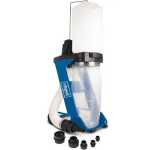
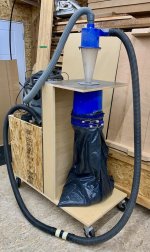
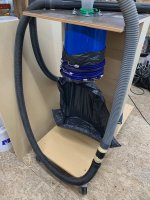
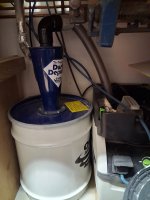
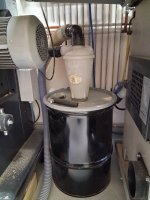

 ). So far (
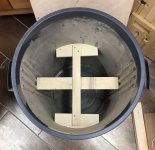
 experienced the implosion with a previous much lighter weight drum. Those plastic ones are really tough and I find with a ply internal bracing there isn’t an implosion issue anymore.